Journey with us through the heart of Killarney National Park on a Gap of Dunloe tour and prepare to be captivated not only by the legendary landscapes but also by the rich tapestry of Killarney National Park wildlife. This iconic tour, from the historic Ross Castle across Lough Leane, through the enchanting channels of Brickeen Bridge and Muckross Lake, past Dinish Island and the Old Weir Bridge into the serene Upper Lake, and culminating at Lord Brandon’s Lodge, offers unparalleled opportunities for wildlife spotting in Kerry. Whether you’re an avid wildlife photographer or simply a nature enthusiast visiting Ireland, the chance to see native creatures in their stunning natural habitat is an unforgettable experience.
The Kings of Killarney: Encountering Native Red Deer
The undisputed monarch of Killarney’s fauna is the magnificent native Red Deer (Cervus elaphus hibernicus). This isn’t just any deer; it’s Ireland’s largest native land mammal, and the Killarney herd is incredibly special – it’s the only remaining wild herd of purely native origin in the entire country. Their ancestors have roamed these mountains and woodlands continuously since Neolithic times, for at least 4,000 years.
Thanks to dedicated protection, initially by the former Kenmare and Muckross estates, their numbers have recovered from fewer than 100 individuals in 1970 to a healthy population estimated between 600 and 900 today. Seeing these Red Deer in Ireland, Killarney, is like glimpsing a living piece of Ireland’s ancient natural heritage.
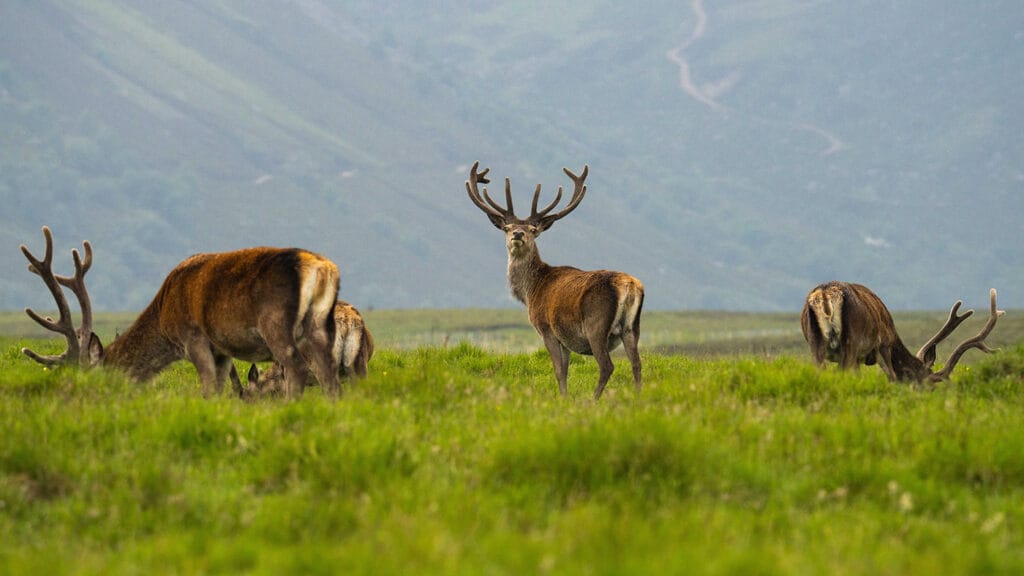
Keep an eye out for their rich reddish-brown coats, which turn a more greyish-brown in winter. The stags (males) are particularly impressive with their large, branched antlers. They are often seen grazing peacefully in open parkland areas like Knockreer (near Killarney town) or around the Muckross estates.
On your Gap of Dunloe boat tour:
- Scan the shores of Lough Leane and Muckross Lake.
- Look for them on islands such as the famed Innisfallen Island, where they sometimes swim to graze.
- As you drift towards the Upper Lake and near Lord Brandon’s Lodge, the quieter woodlands and glades are prime Red Deer territory.
The autumn months (late September/October) offer a particularly dramatic spectacle – the annual rut. During this time, stags roar and engage in impressive displays, sometimes clashing antlers, to compete for hinds. While the park is also home to introduced Japanese Sika deer, significant conservation efforts focus on protecting the genetic purity of the unique native Red Deer herd, and thankfully, no cross-breeding has been recorded here.
Return of the Giants: White-Tailed Sea Eagles Soaring High
Look to the skies above the Lakes of Killarney, and you might witness a true Irish conservation success story: the majestic White-Tailed Sea Eagle (Haliaeetus albicilla). With a staggering wingspan that can exceed 2 metres (earning them the well-deserved nickname ‘flying barn doors’), these are Ireland’s largest and most impressive birds of prey.
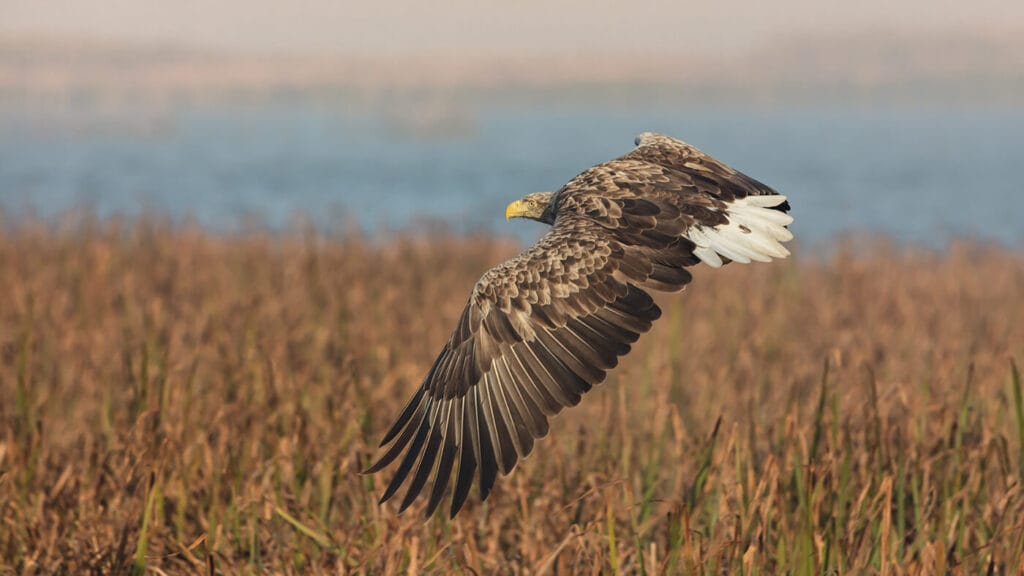
Native to Ireland, these magnificent eagles were sadly hunted to extinction over a century ago. However, starting in 2007, a major reintroduction project began right here in Killarney National Park. Young eagles were brought from Norway and released, with more following in subsequent years, in an ambitious effort to establish a self-sustaining breeding population.
Spotting one of these White-Tailed Eagles in Killarney isn’t just seeing a bird; it’s witnessing the hopeful return of a species lost and now, thankfully, found again. They are opportunistic feeders, often seen hunting fish over the lakes or sometimes scavenging.
On your Gap of Dunloe boat tour:
- Keep your eyes peeled as you cross the expansive waters of Lough Leane and Muckross Lake.
- The area around Dinish Island, the Old Weir Bridge, and the more remote Upper Lake can be hotspots.
- Look up towards mountain slopes like Eagle’s Nest mountain (aptly named!) – your boatman might even point out known nesting areas or common hunting spots. Their distinctive large silhouette makes them easier to spot against the sky.
Lakeside Charmers: Otters and Herons Along the Waterways
As your traditional boat navigates the picturesque route, pay close attention to the water’s edge, especially as you pass through Brickeen Bridge into Muckross Lake and glide by the wooded shores around Dinish Island. Here, you may be delighted by the sight of playful Eurasian Otters (Lutra lutra). These sleek, agile mammals are a joy to watch, known for their curious nature and playful antics, swimming effortlessly or sometimes seen on rocks and banks. Early mornings or late afternoons can be particularly good times for otter spotting.
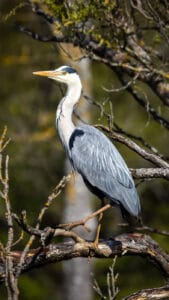
Sharing these lakeside habitats are the patient and elegant Grey Herons (Ardea cinerea). Often seen standing statuesquely in shallow waters, their long necks poised, they wait with incredible patience to strike swiftly at fish beneath the surface. Their calm, graceful presence and striking appearance offer wonderful wildlife photography opportunities for those keen to capture Killarney’s diverse fauna.
More Feathered Friends and Other Wildlife
Beyond the headliners, Killarney’s ecosystem, particularly along the waterways of your tour, is bustling with other life. Keep an eye out for:
- Various species of ducks and water birds on Lough Leane, Muckross Lake, and the Upper Lake.
- Smaller woodland birds in the trees lining the lakes and as you approach Lord Brandon’s Lodge.
- The flash of a kingfisher if you’re exceptionally lucky, particularly in the more sheltered river sections.
The journey from Lord Brandon’s Lodge through the Black Valley and down the Gap of Dunloe (by foot or horse and cart) also offers chances to see upland birds and potentially more deer in the remoter valleys and hillsides.
Top Tips for Wildlife Spotting on Your Gap of Dunloe Tour
- Be Patient and Observant: Wildlife operates on its own schedule. The more attentively you watch, the more you’re likely to see.
- Use Binoculars: A good pair of binoculars will significantly enhance your viewing experience, allowing you to see animals clearly without disturbing them.
- Listen to Your Boatman: Our experienced local boatmen often have a keen eye for wildlife and can point out recent sightings or likely spots.
- Consider the Time of Day: While wildlife can be seen at any time, early morning or late afternoon can be more active periods for many species.
- Prepare Your Camera: For those interested in wildlife photography in Ireland, have your camera ready with a zoom lens if possible. The stunning backdrops of the Lakes of Killarney make for breathtaking shots.
Responsible Wildlife Watching: Protecting Killarney’s Treasures
Experiencing Killarney National Park wildlife is a profound privilege. To ensure these animals and their pristine habitats remain for generations to come, please follow these guidelines:
- Keep Your Distance: Never approach, startle, or attempt to feed wild animals. Use binoculars or a zoom lens for a closer look. This is especially crucial during sensitive times like the deer rutting season (autumn) or when animals have young.
- Stay on Marked Trails: When on land, stick to marked paths to avoid disturbing delicate vegetation and animal habitats.
- Leave No Trace: Take all your litter home with you. Leave the natural environment as you found it.
- Dogs on Leads: If you bring a dog into permitted areas of the park (check local regulations), ensure it is kept on a lead at all times to prevent disturbance to wildlife.
- Be Quiet: Avoid loud noises, shouts, or sudden movements that could frighten animals or disrupt the tranquility for other visitors.
Experience the Wild Heart of Kerry
Killarney National Park offers a rare and precious opportunity to connect with truly wild and iconic Irish wildlife in a landscape of unparalleled beauty. From the ancient lineage of the native Red Deer and the hopeful resurgence of the White-Tailed Sea Eagle to the playful otters and graceful herons along the waterways, the park is alive with natural wonders.
Your Gap of Dunloe boat tour provides a front-row seat to this incredible spectacle. Keep your eyes peeled, your camera ready, and your heart open to the wild encounters that await.
Ready for your own wild adventure? Book your Gap of Dunloe tour today! and witness the magic of Killarney’s wildlife for yourself.
